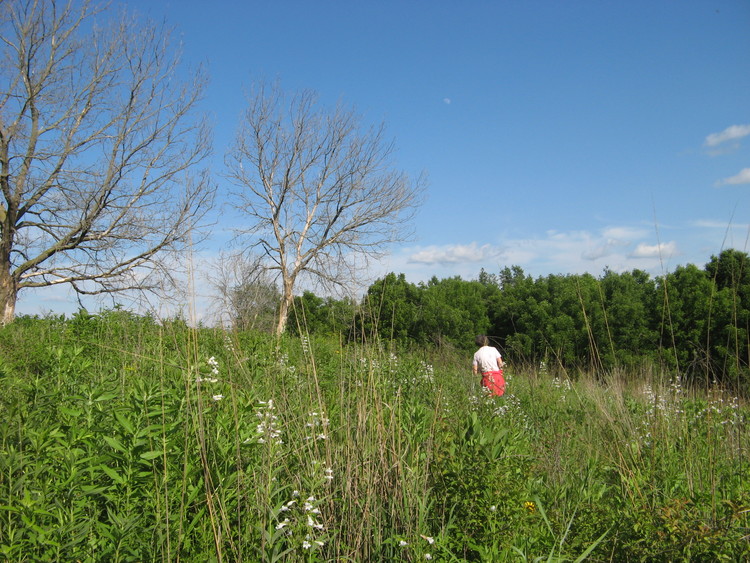
Ever wonder why woodland management and timber harvesting are important to healthy, sustainable and resilient forests?

By Angela Gupta, reviewed by Matt Russell and Shirley Nordrum, UMN Extension Educators


Forests are vibrant changing ecosystems that are dynamic with plants, animals, fungi, weather and of course people. Minnesota’s woods are owned and managed (or not) by many thousands of private woodland owners and various local, county, state, federal and tribal agencies and organizations. Each land owner and land manager has their own hopes and dreams for the land. Commonly those goals include supporting healthy, sustainable and resilient forests; rarely is the goal explicitly to harvest timber. However, many landowners learn that harvesting wood is often an important part of cultivating healthy woodlands.

How Drought Impacts Wildlife

How Drought Impacts Wildlife

by Misi Stine

No one I know would be surprised if I said this was a challenging year with the drought. We saw our lawns dry up as well as plants and trees struggling not only in our yards but across the state. Depending on where you were in Minnesota, the drought conditions throughout the summer varied from moderate to exceptional. Water use restrictions were implemented. Campfires, and other burning, were banned across the state. Despite those restrictions, there were several fires in northern Minnesota with persistent dry and hot conditions. I observed water across the state become scarcer in my travels, from ponds drying up entirely to the mighty Mississippi River at levels so low I wondered if I could walk across as I drove over a bridge in Monticello one day in early August. It also impacted human activities: the inability to use certain water resources due to low levels, the loss of homes, cabins, and restrictions on the use of The Boundary Waters Canoe Area Wilderness (BWCA), a favorite destination of summer travelers. (Drought in MInnesota, 2021), (Simon, 2021) (Coexisting with Wildlife During Droughts, n.d.), (Seitz, 2021)

Meet Rita Erickson, A Dedicated Landowner!

Article Written By Cheryl Culbreth, MNWWN Board Member and Owner of Landscape Restoration, Inc.

Rita Erickson contacted Cheryl Culbreth, MNWWN board member, in January to create a habitat restoration / buckthorn control plan for her six-acre woodland property in Scandia. During a February site visit, Cheryl strongly encouraged Rita to add a basic trail system to the nearly impassible brush and terrain as part of the overall restoration work plan. The impact of Lyme disease occasionally zapped Rita’s energy. A trail would make access much easier for Rita, widen the “no tick” zone, and offer the benefit of new perspectives on what was growing in the woodland.

Would You Poke a Sleeping Bear?

By Misi Stine, Environmental Educator, Member of the MN Herpetological Society

When you think of how animals adapt and survive winter, many strategies come to mind. Some migrate to locations south where conditions are more favorable, such as bird and bat species. Some animals take the "I am a winter warrior" approach and are active all year round. Depending on the winter, they tend to thrive more, and others struggle more. A great example is white-tailed deer. In mild winters, they can find more vegetation to forage and better maintain their winter body condition. In more severe winters where they have trouble getting to the remaining available food and deep snow, they find it challenging to make it to spring. Conversely, wolves thrive in more severe winters, when the ungulates make more effort to survive and are easier to make a meal out of them. Wolves' snowshoe-like feet help them stay on top of the snow better, using less energy to move around.

Thank a Tree for Your Clean Water

Thank a Tree for Your Clean Water

By Jennifer Teegarden, MDNR Cooperative Forest Management Outreach Specialist and MNWWN Board Member

Keeping trees and forests on the landscape is the easiest way to produce clean water—for drinking, recreation, and wildlife habitat. Studies show protecting watersheds upstream from a city is cheaper than building treatment plants to produce clean drinking water1. For example, a survey of 27 water suppliers in 2002 by the Trust for Public Land and the American Water Works Association found that for every 10 percent increase in forest cover in a source watershed, treatment and chemical costs decreased by about 20 percent.

Jumping Worms Have a Surprising Impact on Human Emotions

Jumping Worms Have a Surprising Impact on Human Emotions

By Angela Gupta, UMN Extension Professor of Forestry and MNWWN Board Member

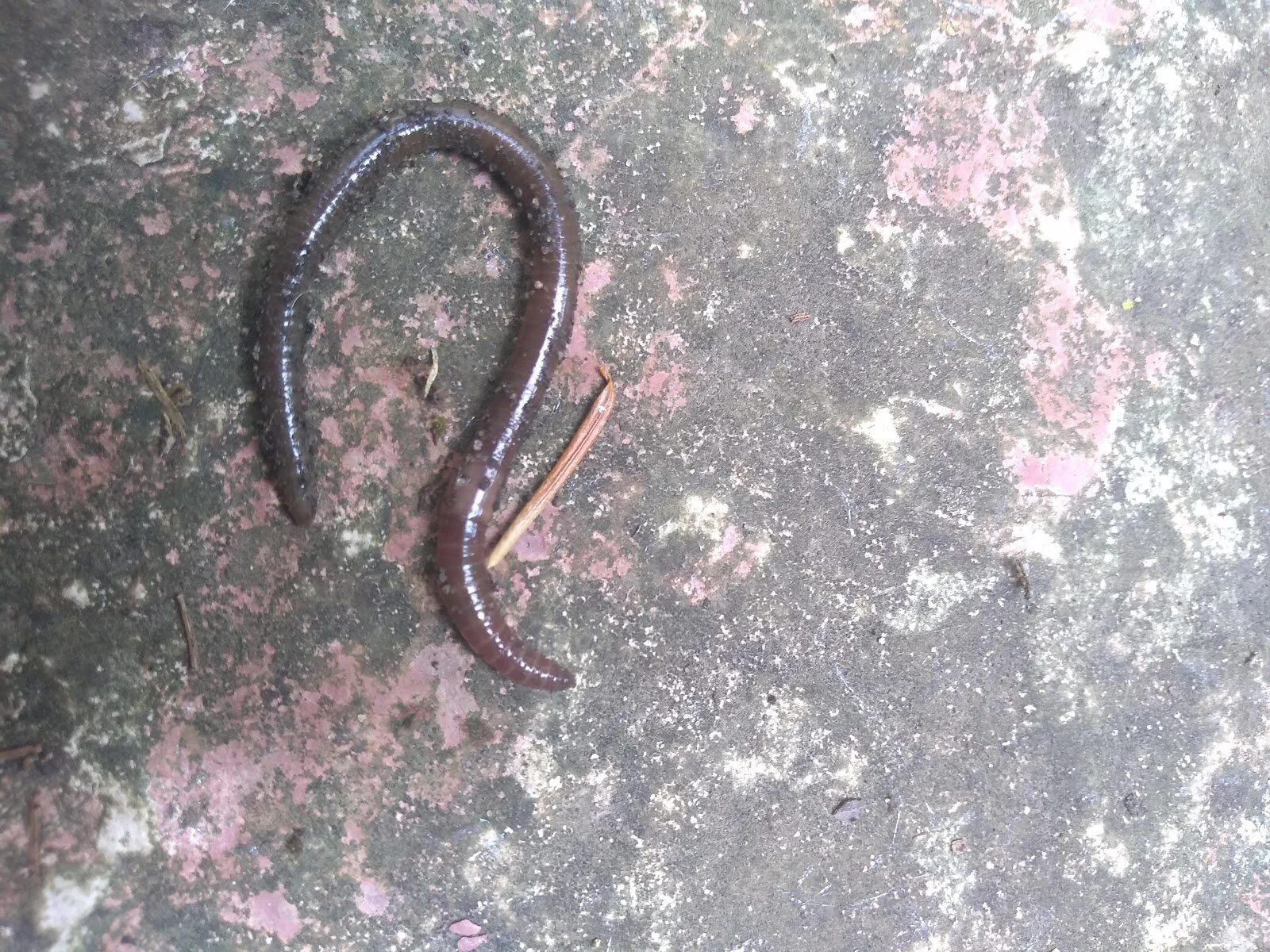
Jumping worms (Amynthas spp.) are a relatively new and very troublesome species in Minnesota. Like all earthworms in Minnesota, these are non-native. However, unlike most earthworms currently found in Minnesota jumping worms live in the top few inches of soil, can survive in surprisingly and troublesomely dense populations, and eat organic material including leaves, mulch and even plants. These worms can wreak havoc on gardens and the gardeners that tend to them. (To learn more about jumping worms visit the UMN Extension website.)

A Tree a Day Keeps the Doctor Away

A Tree a Day Keeps the Doctor Away

By Jennifer Teegarden, MN DNR Cooperative Forest Management Outreach Specialist and MNWWN Board Member

I know I don’t need to preach the importance of trees and forests to members of the Minnesota Women’s Woodland Network. However, I do want to give you some talking points to tell family and friends, and even strangers, the importance of trees and forests to our mental and physical health.

Trees and the Bees

Trees and the Bees

Article by Nikki Henger, Forestry Program Coordinator, St. Croix River Association

Managing your woodlands for timber or wildlife? What about for pollinators, who we depend on for food and a healthy ecosystem? Pollinators such as bees carry pollen from one plant to another, fertilizing them so they can produce fruit or seeds. About 75% of the world’s major food crops require or benefit from pollinators. A lot of these pollinators rely on woodlands for nourishment through flowering trees, shelter and nesting habitat via snags, sticks and leaves, and protection against the increasing concrete jungle.

Meet Becky Lourey, Outstanding Tree Farmer of the Year for Region 3 (Nominated through the eyes and ears of consulting Forester, Jan Bernu)

Meet Becky Lourey, Outstanding Tree Farmer of the Year for Region 3 (Nominated through the eyes and ears of consulting Forester, Jan Bernu)

Through the eyes of the nominating consulting Forester, Jan Bernu of Two By Forestry Company - SAF Certified Forester & MNWWN Board member & MNWWN-NE network co-coordinator

In the spring of 2016, my phone rang with a request for a new project - to update an old plan for a 1,800-pluse acre property in Pine County that is owned by Becky Lourey. Wow, I thought, that’s quite a hunk of land! That spring, I met with Becky and her land manager, Ken Gerard, before heading out to do the field work for her land.

Native Prairie, Honey Bees & Pollinators

by Jan Bernu

On September 10, Darla Van Heerde of Esko hosted the MN Women's Woodland Network-NE fall event: Native Prairie, Honey Bees & Pollinators. Darla showed us around her 40 acres on a gorgeous fall day. With lots of hard work and the assistance of various entities, Darla has created a beautifully blended mixture of orchards, gardens and native prairie with a variety of pollinator plants, as well as a pond for wildlife and some wooded acreage. She is also a bee keeper with 10 hives. At the end of the tour, she treated us to a glass (or two!) of her delicious homemade elderberry flower lemonade and carrot salsa.

NE WWN Fall Event. Buckthorn ID & Hands-on Control Methods

By Barb Spears

On October 24, 2015, Northeast WWN member Peggy Meseroll hosted a buckthorn removal event on land that she manages. Gail Bong, NRCS Technician, gave a “Buckthorn 101” talk and they hacked and chemmed a good sized area, and prescribed follow-up to kill the seedlings before they turn into seed bearing trees. They used Buckthorn Blasters: http://landscape-restoration.com/, a great little tool for the homeowner/landowner. Buckthorn control/eradication takes a lot of hard work followed by many years of dedicated follow up to keep it at bay.

Massage in the Woods and Goods from the Woods!

By Barb Spears

On August 29, 2015, Gail Bong (WWN NE) hosted “Massage in the Woods and Goods from the Woods – Show & Tell, Buy & Sell”. The outdoor massages, provided by Certified Massage Therapist Eric Bong, were greatly enjoyed by several WWN NE members. Some of the women brought "Hand Crafted Goods for Show & Tell, Buy and Sell”.

Bee Talk and Woods Walk

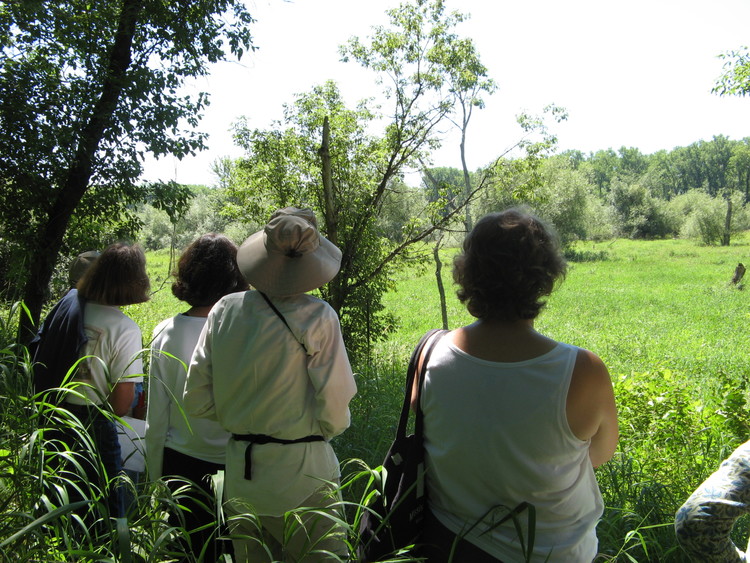
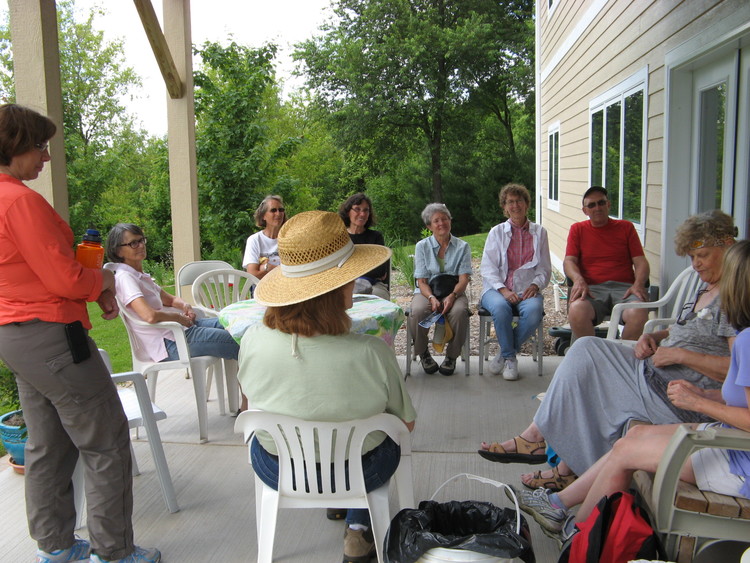
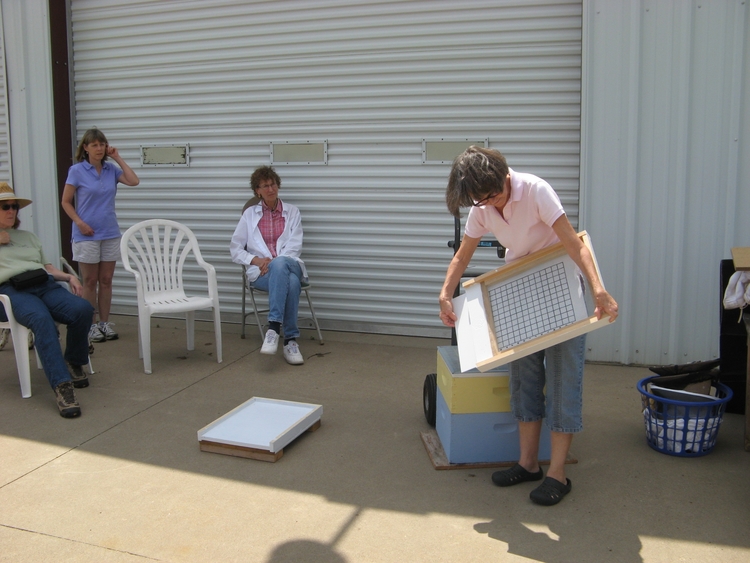
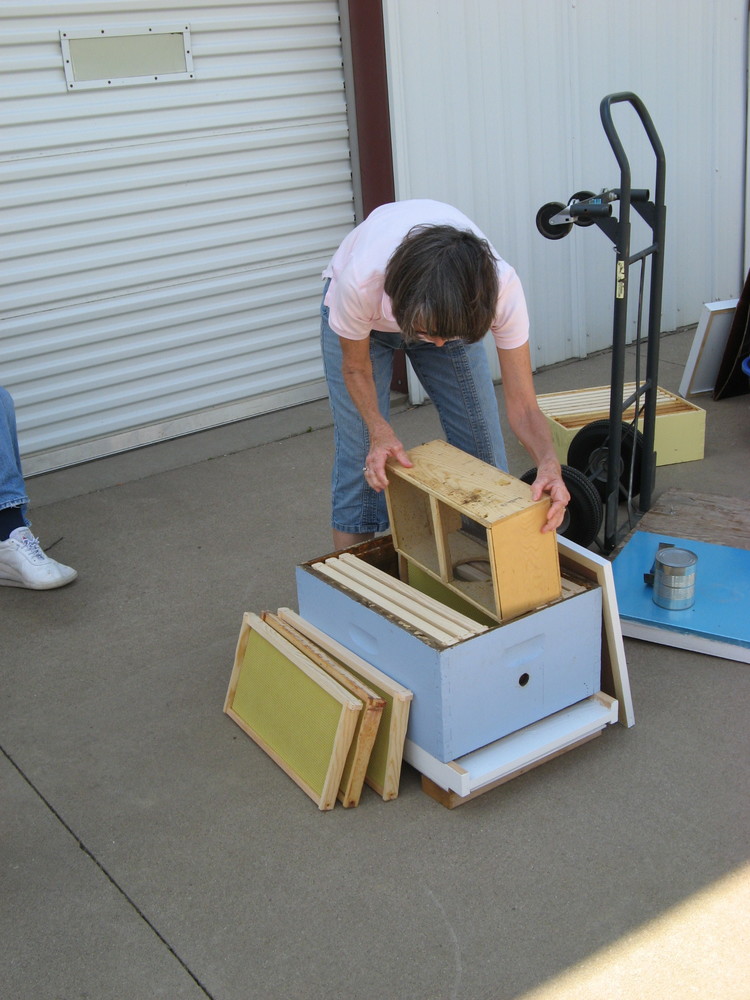
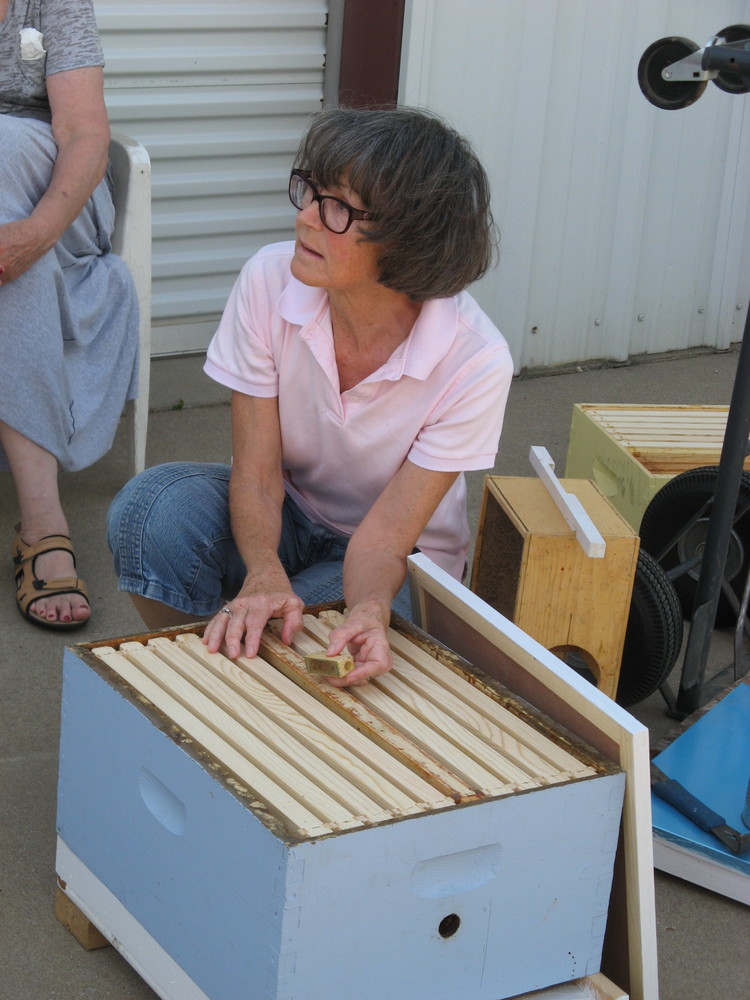
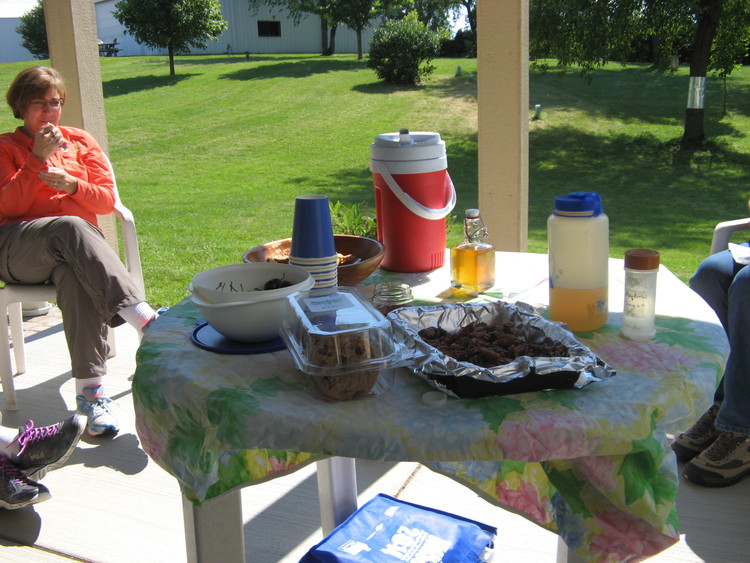
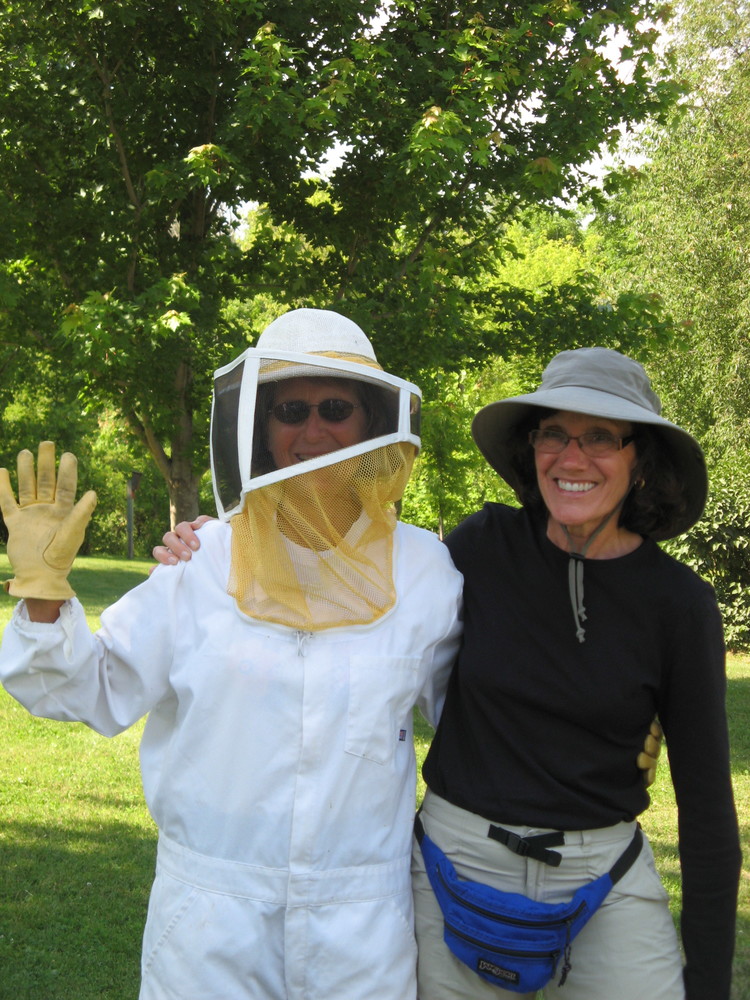
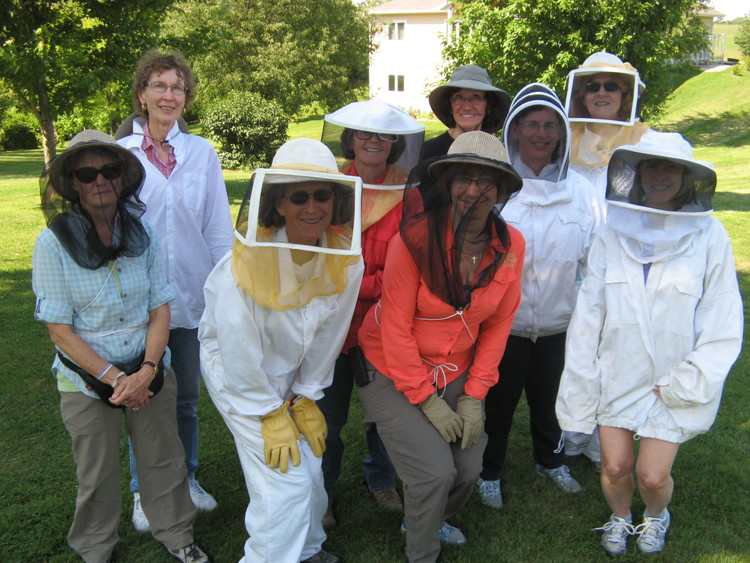
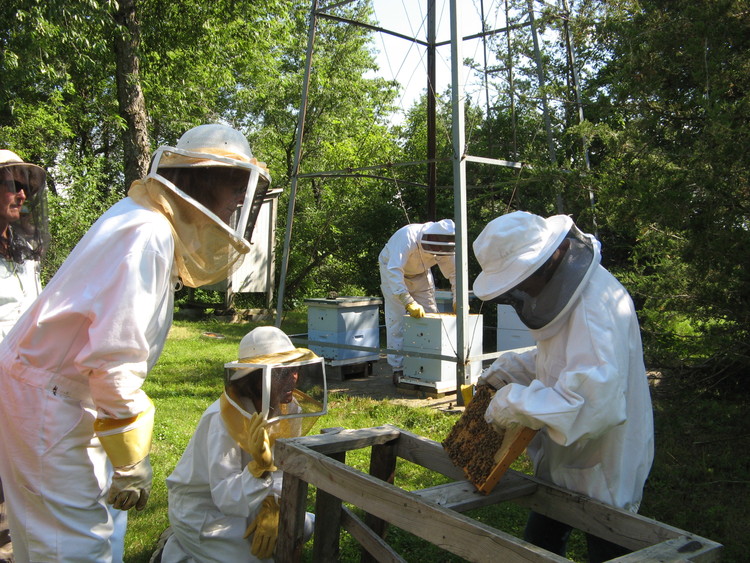
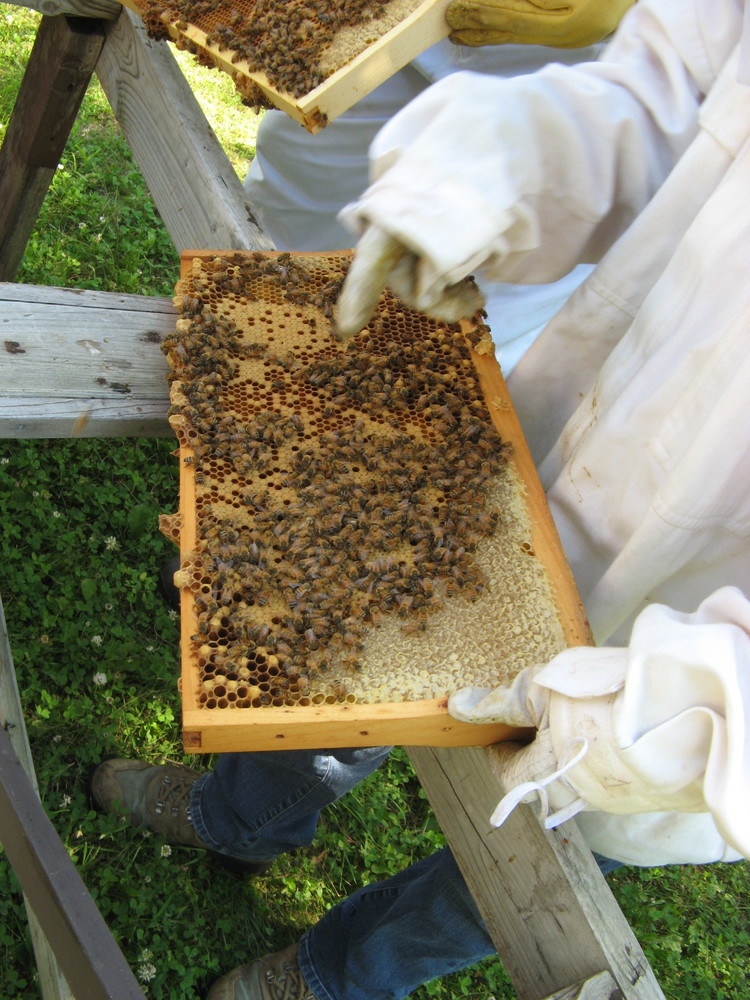
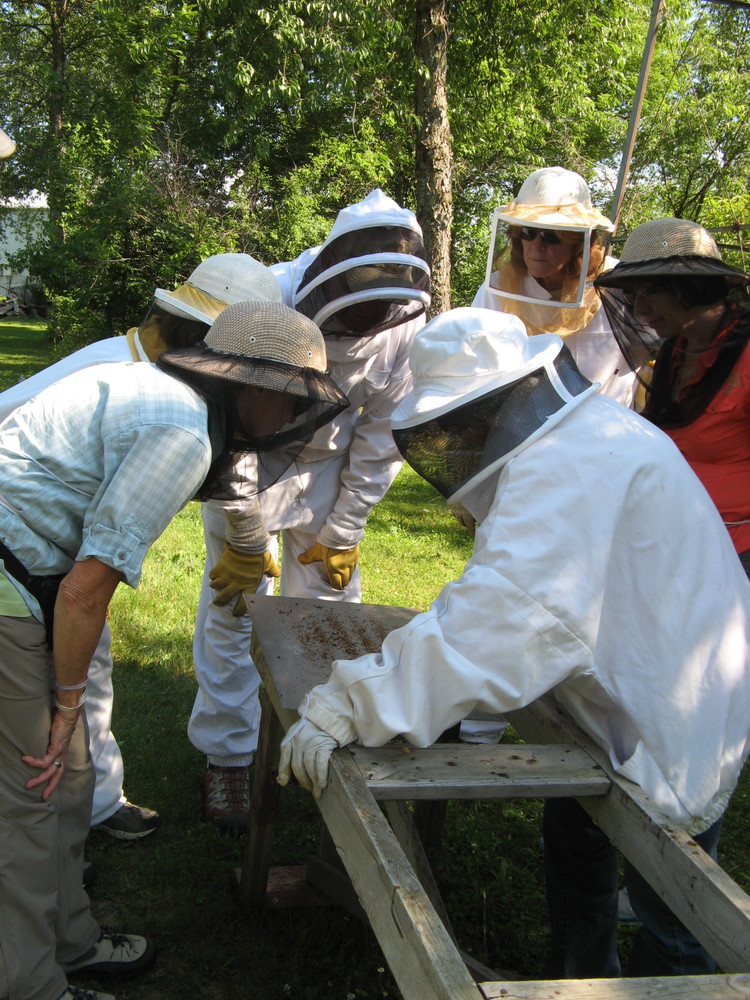
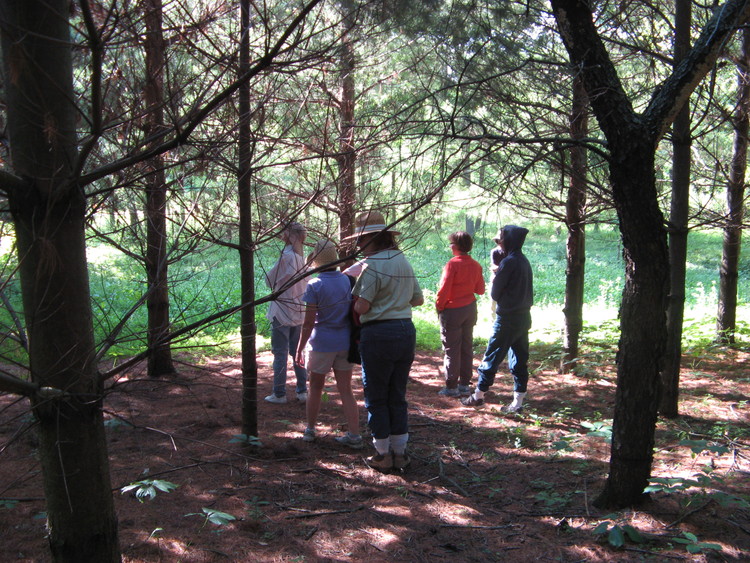
On June 26, 2015, Metro Area MNWWN member Debra Donath, along with husband Kent, hosted us to learn about honey bees. We were also able to tour her 23-acre property near Welch to learn about their land management practices involving tree planting of white pine, oak, and walnut and their two prairie restoration sites.   

Goats for brush control. How about hogs?

At our Metro Area MNWWN gathering in October 2014, we discussed this topic.

Goats are being used in MN on many projects.  Here is a link to a local SE MN company that rents their goats for buckthorn and other vegetation management needs:  http://goatdispatch.com/. 

Also, check out these links for more information on this topic: