By Misi Stine, Environmental Educator and member of the MN Herpetological Society
As spring approaches, Minnesota’s wetlands come to life with a vibrant chorus of frogs and toads. These calls—males seeking to attract females—create a seasonal symphony that shifts in tone as the weather warms. Among the earliest to emerge is the Wood Frog; these resilient amphibians wake from brumation so early they can occasionally be heard calling from ice-covered ponds as early as March.
Minnesota frogs and toads
Minnesota is home to 14 native species of frogs and toads, including the endangered Blanchard’s Cricket Frog. To help you identify our local residents, I have collaborated with Gemini to create a comprehensive reference list. Below, you will find information on calling windows, vocal descriptions, and direct links to audio files and Minnesota DNR species profiles.
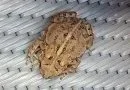
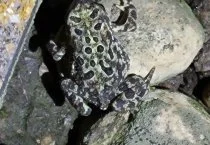
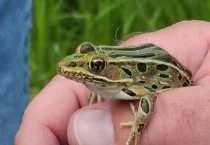
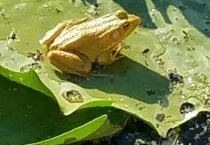
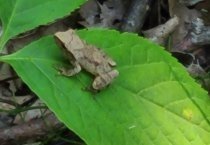
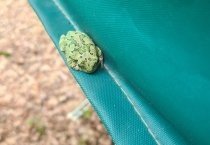
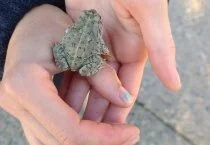
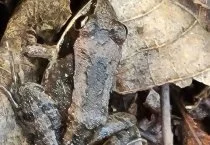
Field Guide: Minnesota’s Anuran Species, Calling Windows, & Audio
MONITORING
To monitor the health of our state’s amphibian populations, several "participatory science" (citizen science) opportunities are available. Your observations provide crucial data that biologists simply cannot collect alone. Engaging with these programs is a wonderful way to get outdoors, have fun, and make a lasting difference.
Minnesota Statewide FrogWatch: Formerly known as the Minnesota Frog and Toad Calling Survey, this is a formal volunteer role. Participants monitor a specific route every 2–4 weeks throughout the season. These decades of data provide long-term insights into population trends and wetland health. Because their permeable skin makes them highly sensitive to pollutants, frogs are vital "indicator species."
Get involved: MN DNR Frog & Toad Survey
HerpMapper: For a more informal approach, use the HerpMapper app. This global, nonprofit digital atlas allows you to record photos or sound files of any reptile or amphibian you encounter. Entries are automatically timestamped and geotagged to help agencies map species distributions.
Start mapping: HerpMapper.org
Tips for Successful Monitoring
Timing: While some calls occur during the day, the peak "concert" hours are from dusk to midnight.
The Moisture Connection: Amphibians breathe through their skin. Oxygen must dissolve into a thin layer of water on their body to pass into the bloodstream. This is why they are most active during humid or rainy weather; if their skin dries out, they lose their breathing surface and can suffocate.
Quiet Observation: Approach wetlands slowly. If the chorus goes silent, be patient. Use a red light to navigate, as it is less disruptive than white light. They will usually resume calling once they feel the "predator" has passed.
Safety First: * Visibility: Wear reflective gear near roadsides and park in safe, designated areas.
Gear: Use a headlamp to keep your hands free and bring a walking stick for stability on slippery banks.
Chemical Sensitivity: Mosquito netting is preferred over bug spray. If you use spray, ensure you wash your hands thoroughly before touching any amphibian. The chemicals in sprays and sanitizers can be fatal if absorbed through their skin.
The Buddy System: Monitoring at night is always safer—and more fun—with a partner.
Reference List
Primary Species Data & Phenology
Minnesota Department of Natural Resources (MN DNR). Frogs and Toads of Minnesota. * Source: https://www.dnr.state.mn.us/reptiles_amphibians/frogs_toads/index.html
Minnesota DNR. Frog & Toad Opera (Breeding Calendar). * Source: https://www.dnr.state.mn.us/reptiles_amphibians/frogs_toads/opera.html
Audio Recordings & Vocal Descriptions
HerpNet (Amphibians and Reptiles of Iowa/Midwest). Frog and Toad Species Accounts.
Source: http://www.herpnet.net/Iowa-Herpetology/amphibians/frogs-and-toads-2/
Music of Nature (Lang Elliott). Calls of Frogs and Toads of the Northeast.
Source: https://musicofnature.com/calls-of-frogs-and-toads-of-the-northeast/
California Herps. Canadian Toad (Anaxyrus hemiophrys) Profile.
Source: https://californiaherps.com/noncal/misc/miscfrogs/pages/a.hemiophrys.sounds.html
Conservation & Citizen Science
Minnesota Statewide FrogWatch (Formerly MFTCS). Volunteer Survey Portal.
Source: https://www.dnr.state.mn.us/volunteering/frogtoad_survey/index.html
HerpMapper.org. Global Herpetofauna Atlas.
Source: https://www.herpmapper.org/
Field Identification Standards
Conant, R., & Collins, J. T. (1998). A Field Guide to Reptiles & Amphibians: Eastern and Central North America. Peterson Field Guides.